


Our Projects
Malakoff Diggins State Historic Park Sediment Control and Habitat Restoration

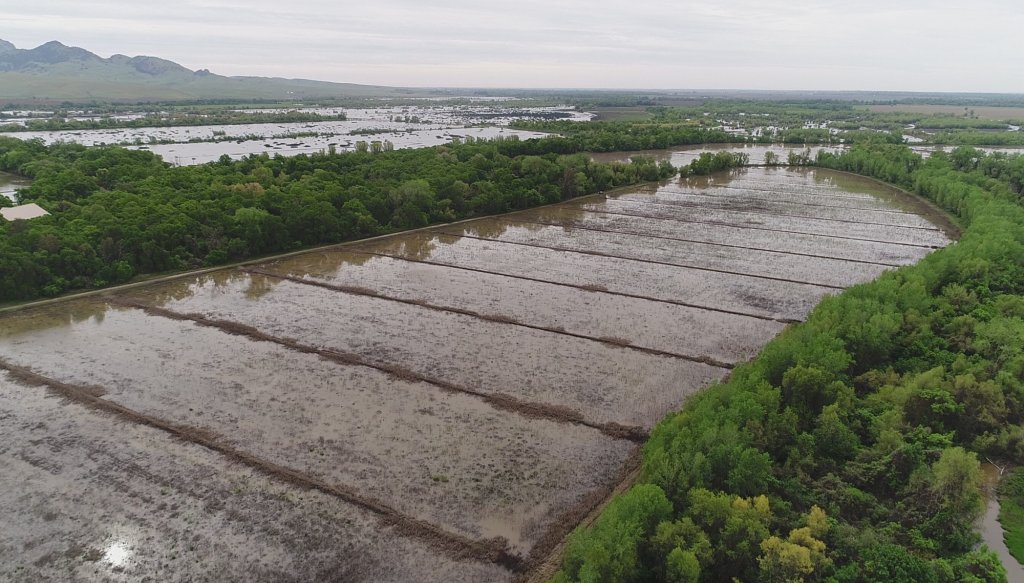
Spanning 3,000 acres, Malakoff Diggins State Historic Park is the site of one of the largest historic hydraulic gold mines in the world. During its operation in the California Gold Rush, vast quantities of mercury-laden sediment were discharged into surrounding waterways, eventually reaching the Sacramento–San Joaquin Delta and San Francisco Bay. While the most severe pollution has diminished over time, the site remains a continuing source of sediment and metals in pit runoff and is subject to a 2017 cleanup order issued by the Regional Water Quality Control Board (RWQCB).
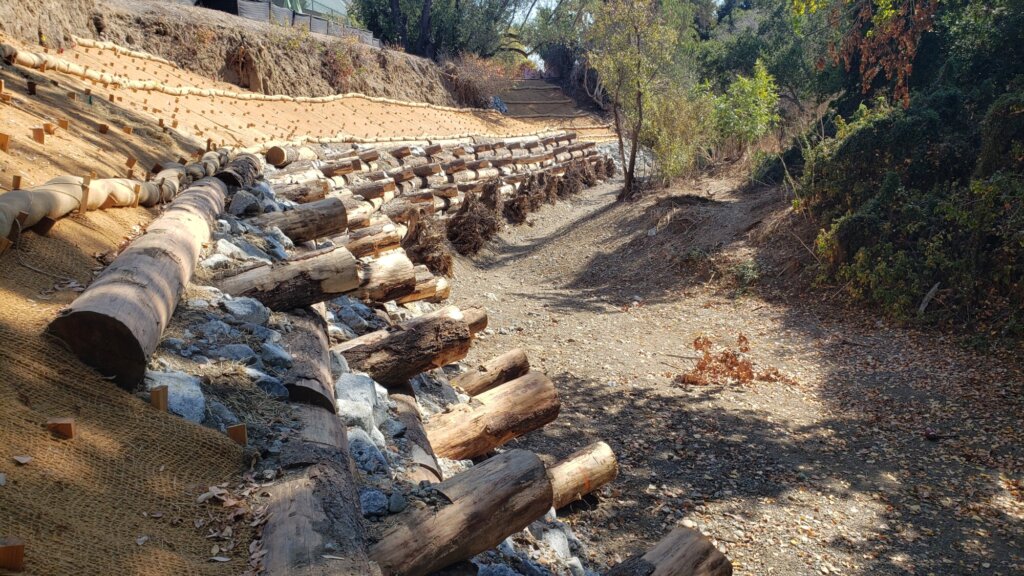
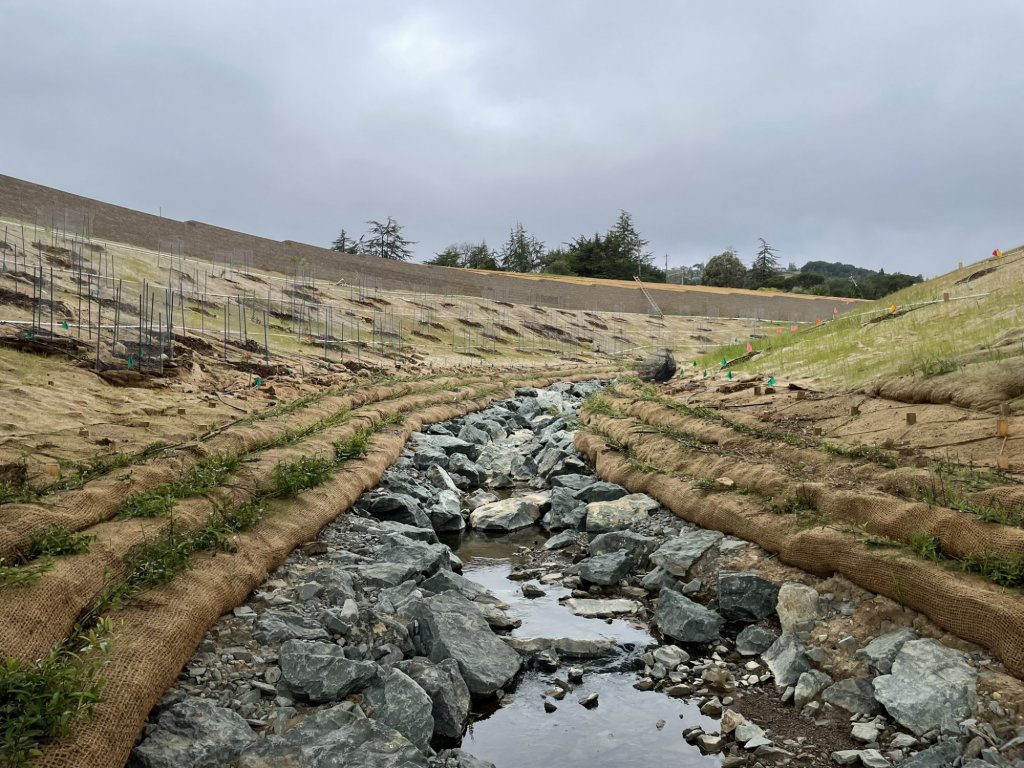
California State Parks led a comprehensive effort to remediate runoff and restore habitat in the Diggins pit, with a focus on protecting the park’s significant cultural legacy and sensitive biological resources while addressing water quality improvement.
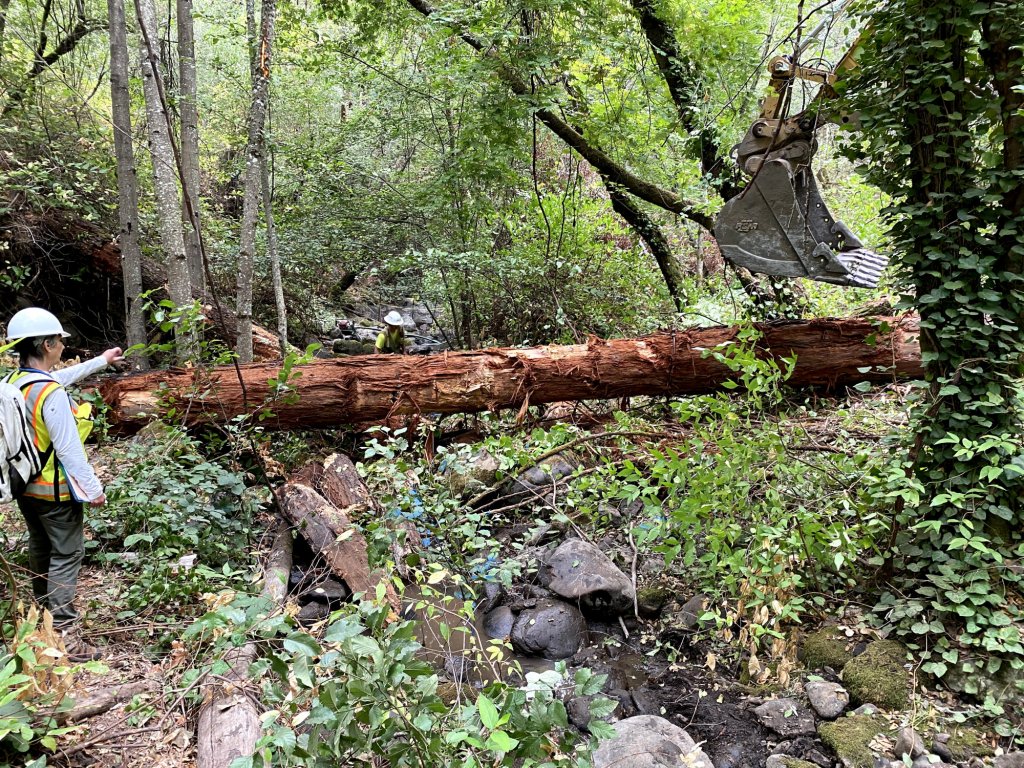
WRA was part of a multidisciplinary team supporting California State Parks, led by prime consultant WSP (formerly Golder), that included mine engineers, geologists, hydrologists, and cultural resource specialists. Plans were developed to install structures to slow and filter sediment from the pit outflow. WRA documented baseline biological conditions, identified sensitive plant and wildlife resources, and conducted a wetland delineation and protocol-level rare plant surveys to inform restoration planning and minimize biological impacts. WRA also led the regulatory permitting process with state and federal agencies and designed plans for willow forest habitat enhancement and non-native bullfrog management to improve conditions for imperiled wildlife. In addition, WRA provided on-the-ground construction monitoring services during construction to ensure compliance with biological permit requirements.
The project was designed to reduce ongoing sediment and metals contributions from the historic mining site while protecting sensitive biological resources and preserving the park’s cultural significance. By integrating biological data into restoration design, permitting, and construction, the effort supported regulatory compliance and advanced long-term ecological recovery while ensuring that water quality remediation activities were compatible with the historic and natural values of Malakoff Diggins State Historic Park. Post-construction water quality and biological monitoring will assess project effectiveness and inform future management efforts by California State Parks for this unique landscape.
Experts
Experts
Geoff Smick
CEO & President
Erik Schmidt
Restoration Permitting Specialist
Brian Freiermuth
Senior Biologist
Nick Brinton-McBean
Fisheries Biologist

Sundaran Gillespie, GISP
GIS Analyst
Project Specifics
Project Partners
Status
See how we’re making a positive lasting impression.