


Our Projects
Tuolumne County Botanical Surveys

Goal
Conduct botanical surveys of 2,220 acres of the Stanislaus National Forest to protect sensitive plant communities within an active fuels reduction project area.
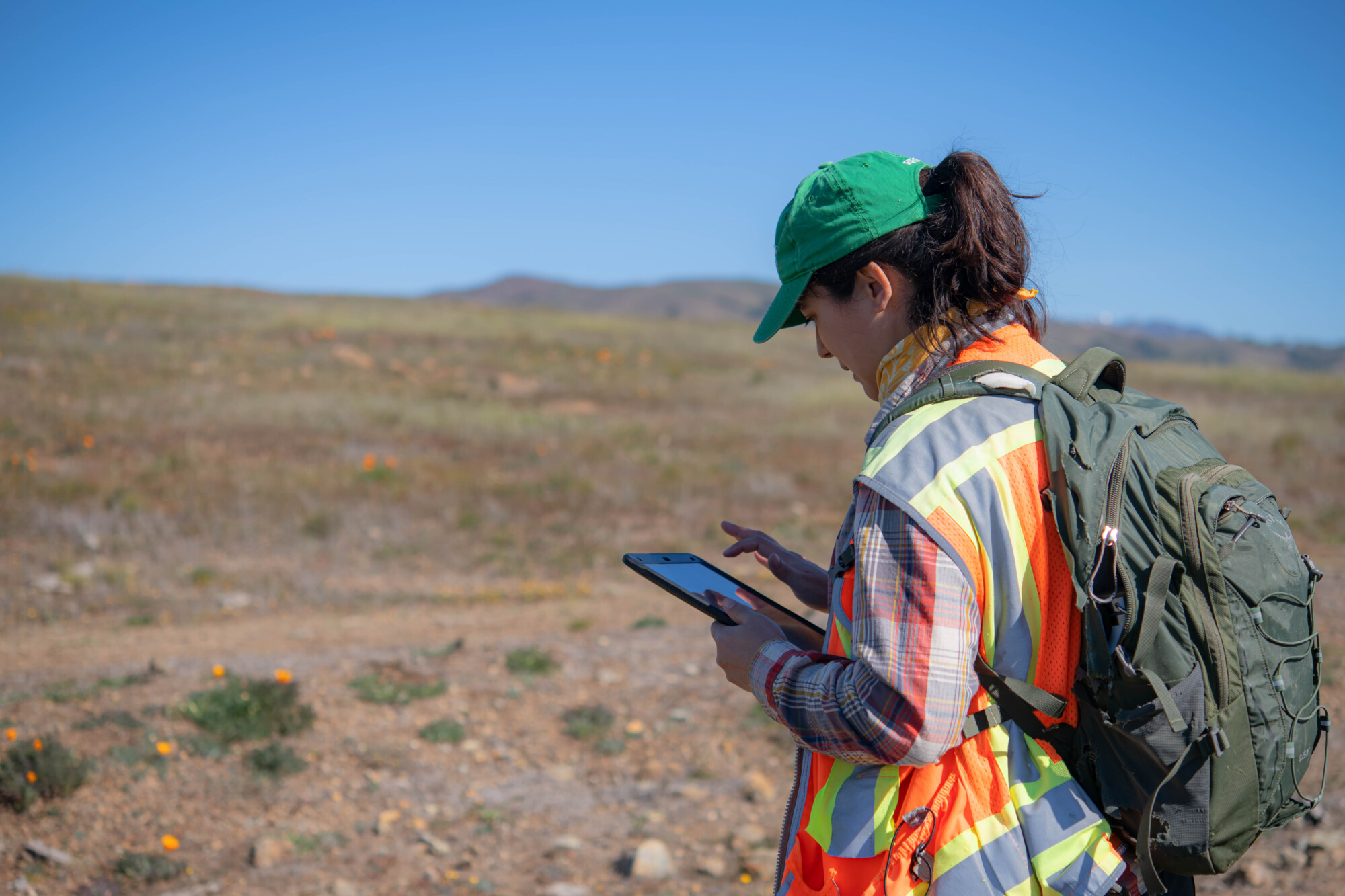
Tuolumne County and Tuolumne River Trust partnered with WRA to conduct botanical surveys for an ongoing fuels reduction project implemented in response to the 2013 Rim Fire. Over the course of the 2024 field season, a team of WRA botanists covered a diverse range of habitats within Stanislaus National Forest, mapping and flagging populations of rare plants including pansy monkeyflower (Diplacus pulchellus), Tuolumne fawnlily (Erythronium tuolumnense), and Mariposa clarkia (Clarkia biloba ssp. australis), as well as invasive species such as Himalayan blackberry (Rubus armeniacus), cheatgrass (Bromus tectorum), and field bindweed (Convolvulus arvensis).

Approach
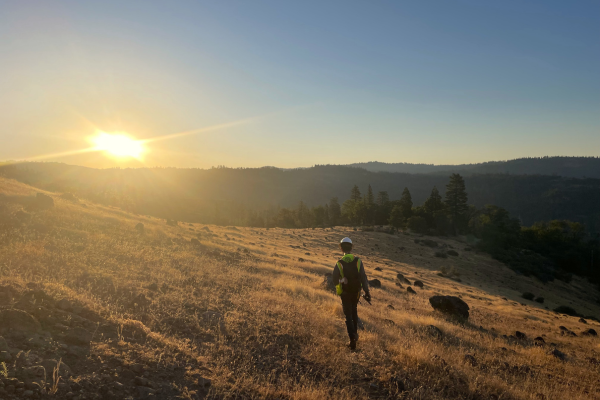
WRA botanists conducted systematic field surveys across rugged terrain, quickly adapting to challenges to maximize coverage and data quality.
Covering 2,220 acres of rugged, remote, and densely vegetated Sierra Nevada terrain demanded the kind of tenacity, flexibility, and botanical expertise that defines WRA’s field team. Working across steep, remote forest throughout the hot summer field season, WRA’s crew continuously refined their approach to keep pace with the demands of the work in the face of logistical challenges. The team adopted a weekly site visit schedule and centralized basecamp model that improved crew efficiency, ensured reliable data syncing from digital mapping tools, and kept the team operating at full capacity. These adaptations allowed WRA to meet project deadlines without compromising the thoroughness of the survey effort or quality of data delivered.

Impact
WRA identified 86 rare plant populations and over 1,000 invasive species occurrences, providing data needed to protect forest ecology in the short and long-term.
The 2013 Rim Fire burned nearly 260,000 acres across the Stanislaus National Forest, ranking among the largest and most destructive wildfires in California history and leaving behind a landscape deeply vulnerable to future high-severity fires. More than a decade later, fuels reduction remains one of the most important measures for preventing another catastrophic burn and helping fire return to the landscape as a healthy component of forest ecology.
WRA’s work on this project provided the County with the tools needed to conduct fuels reduction while avoiding rare plant communities and preventing the spread of invasive species. Protecting the forest’s sensitive ecology from this short-term disturbance allows for the long-term preservation of biodiversity and is a meaningful step in the continued recovery of post-fire forest health.
Experts
Experts

Leslie Allen, MS
Principal
Rei Scampavia, PhD
Biologist

Mari Ferlin
Plant Biologist
Project Specifics
Project Partners
Tuolumne River Trust (now Yosemite Rivers Alliance)
Status
Detailed Services
See how we’re making a positive lasting impression.