


Our Projects
Corte Madera Ecological Reserve Tidal Marsh Restoration
Goal
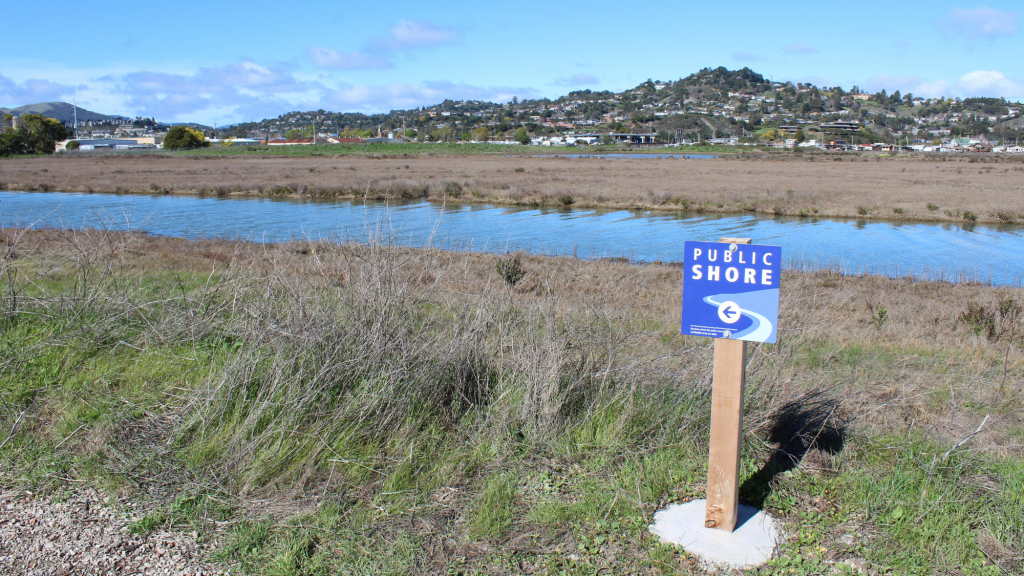
Restore tidal marsh and seasonal wetland habitats to support special-status species while enhancing public access and recreational opportunities for the community.
The Golden Gate Bridge, Highway and Transportation District partnered with WRA to design and implement a restoration and public access project at the Corte Madera Ecological Reserve in Marin County, California.
Approach
WRA provided restoration and public access design to benefit the ecosystem and local community, continuing to manage the habitat at the site.
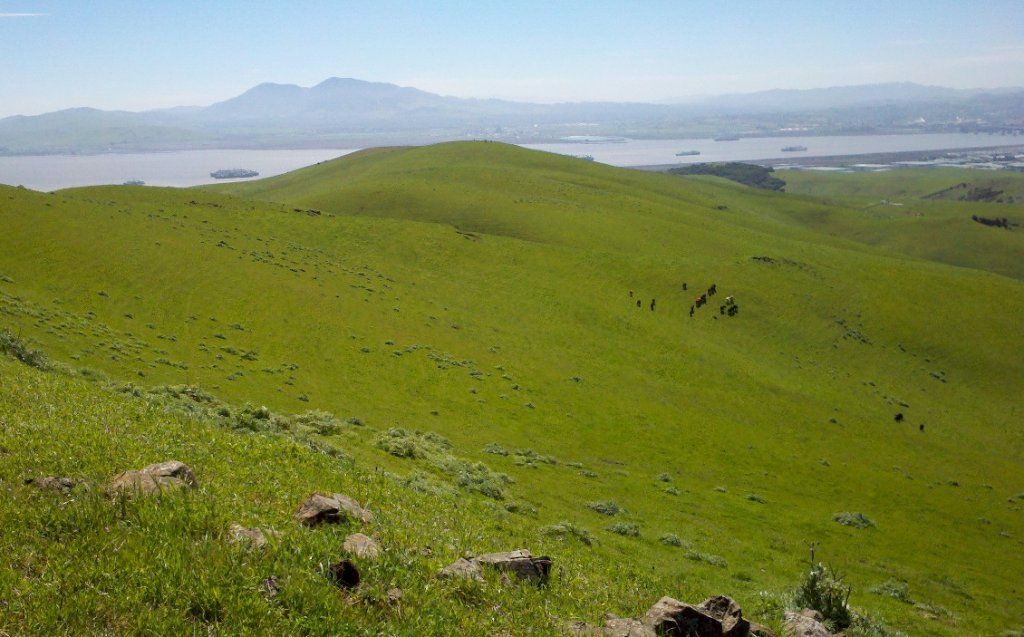
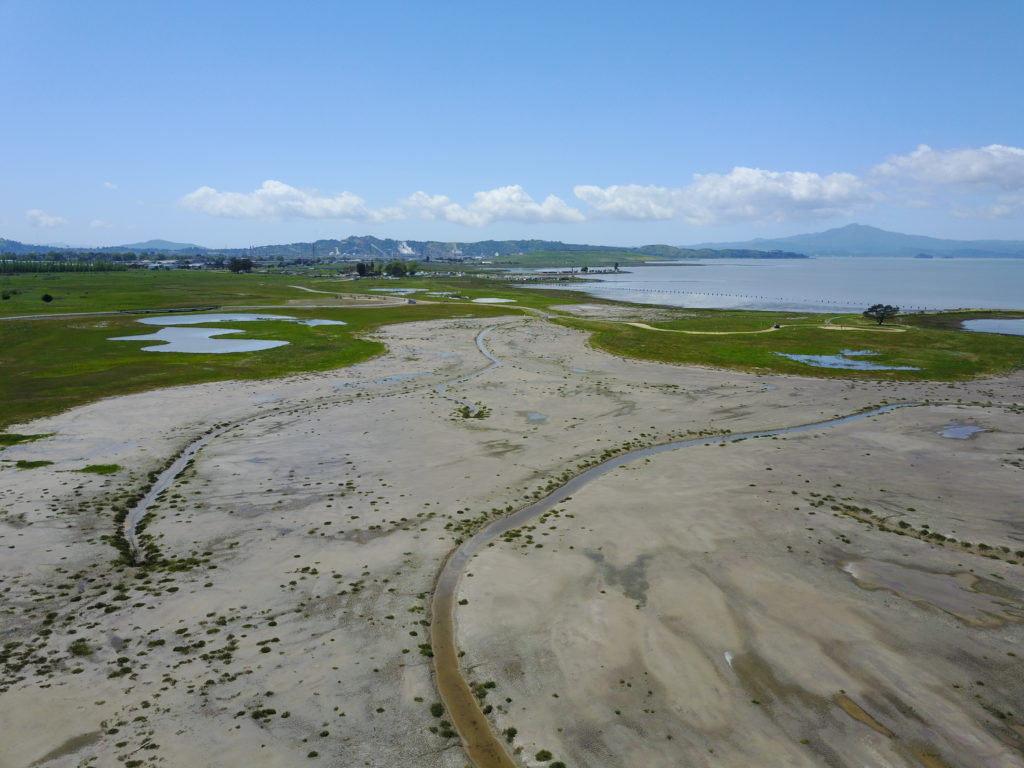
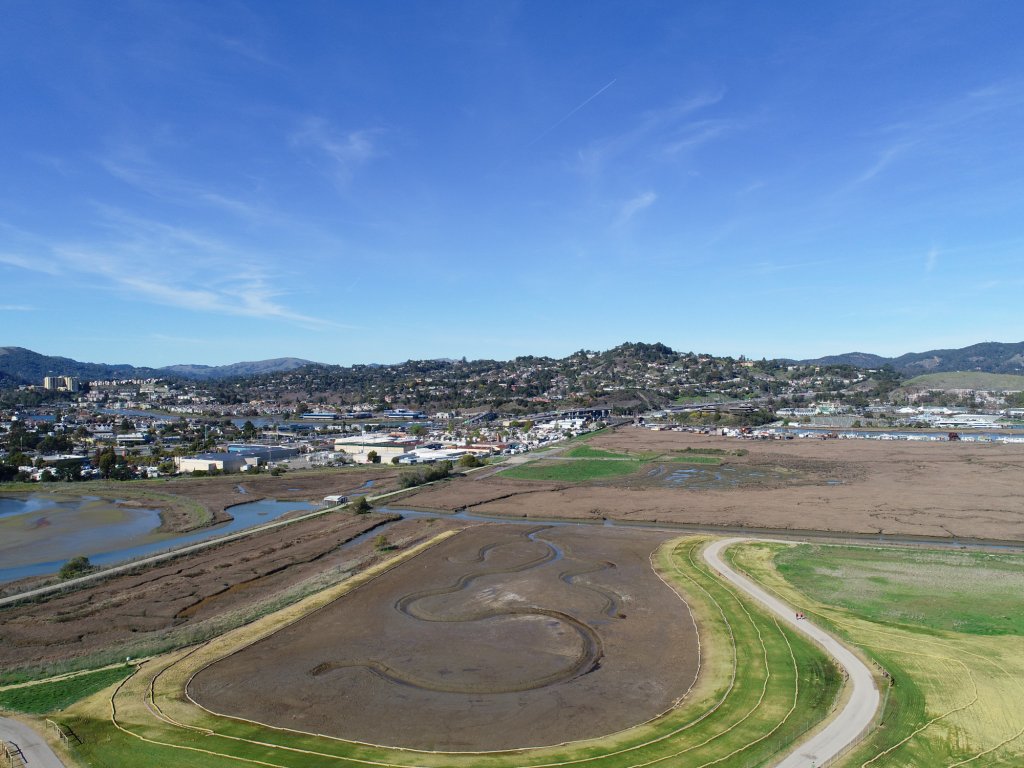
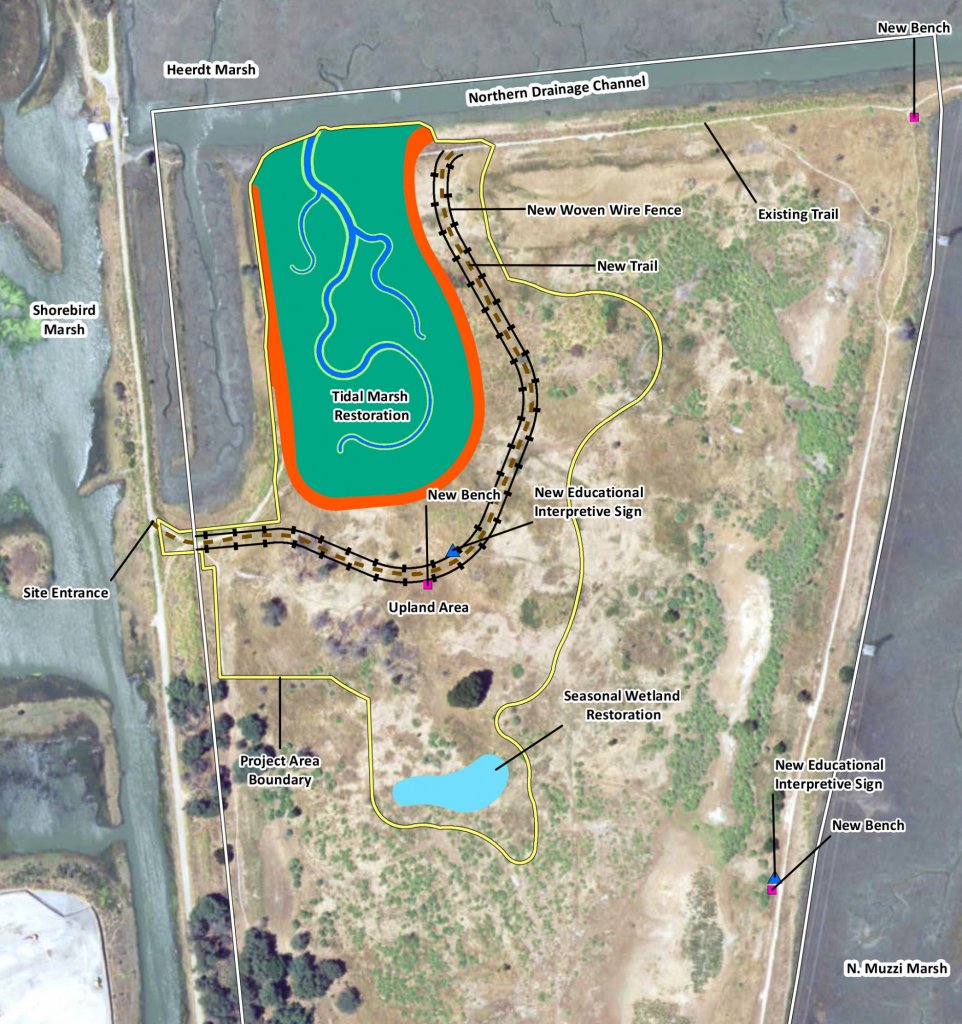
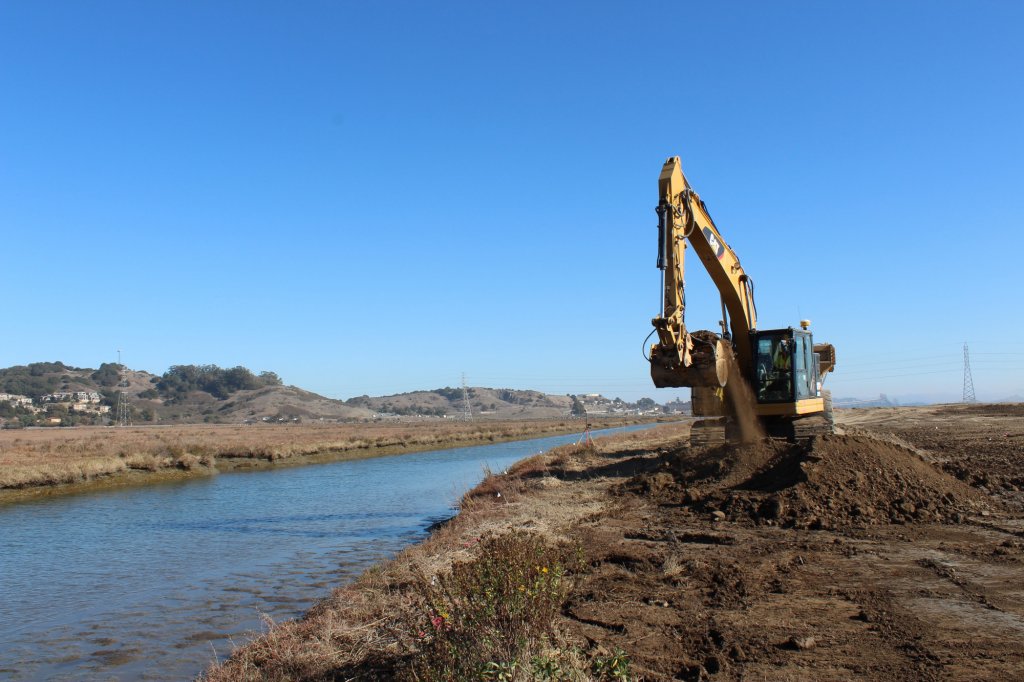
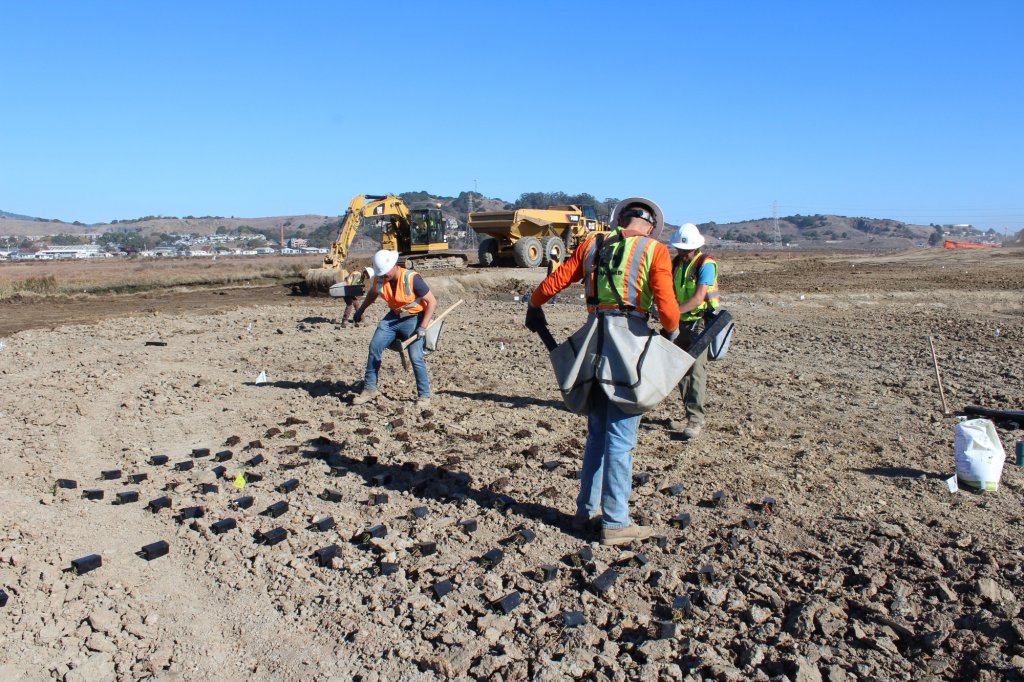
WRA led the restoration design through construction documents for more than four acres of tidal marsh and a quarter-acre of seasonal wetland adjacent to the Reserve. As Engineer of Record, WRA designed a new tidal channel and marsh plain system that provides resilient habitat for endangered species such as the California Ridgway’s rail and salt marsh harvest mouse, while also fulfilling mitigation requirements for the District.
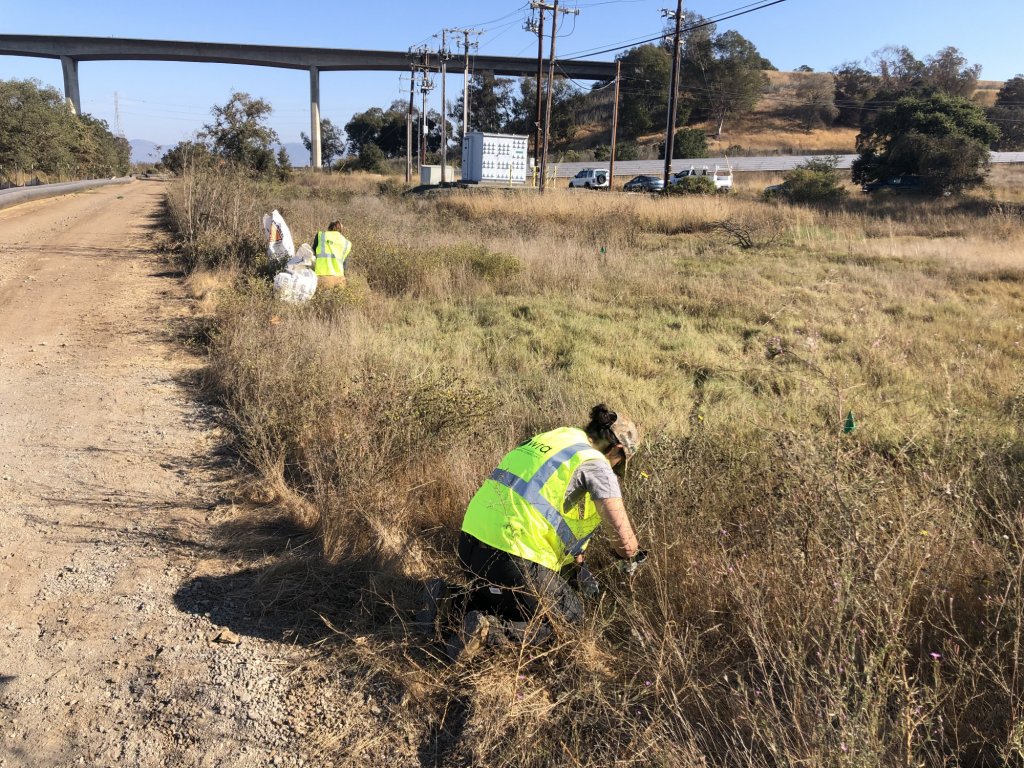
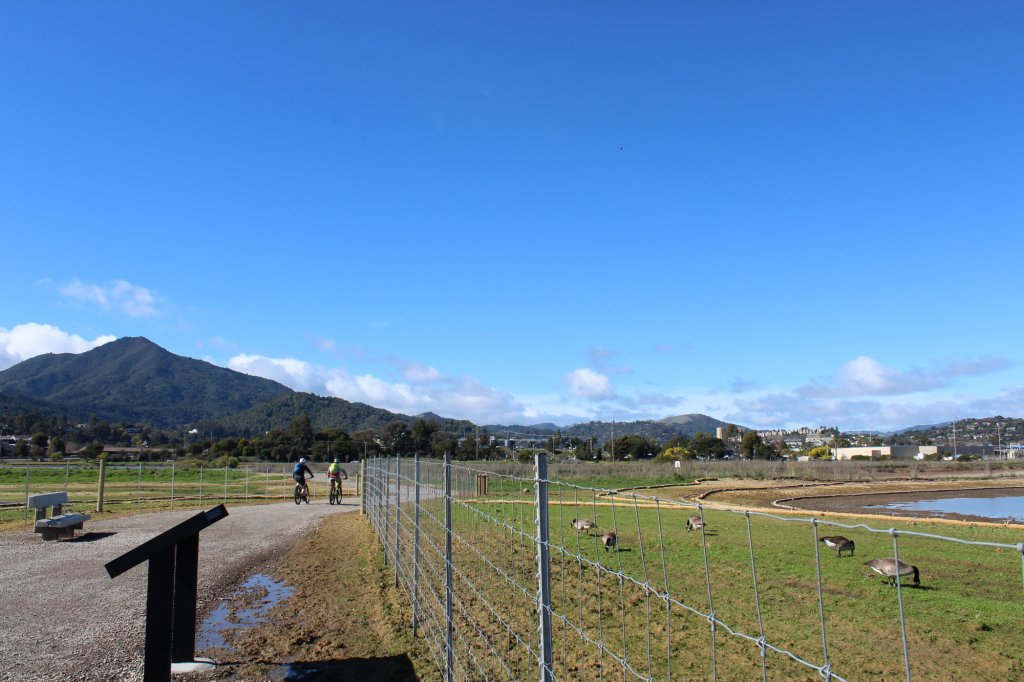
The project combined ecological restoration with community access improvements, including a new trail segment, benches, interpretive signage, and educational panels. WRA also prepared CEQA documentation, secured permits from multiple state and federal agencies, and managed subconsultants overseeing vegetation establishment and invasive species control. Ongoing site management includes irrigation, replanting, monitoring, and maintenance to ensure long-term habitat success.
Impact
The successful restoration efforts restored tidal connectivity to the project site, allowing habitat in support of Federally Listed species to thrive.
The restored tidal marsh is now reconnected to San Francisco Bay through a constructed channel that floods during high tides, supporting thriving habitat for endangered species. By preserving low-lying land designed to transition into tidal marsh with future sea level rise, the project also provides climate resilience for the ecosystem.
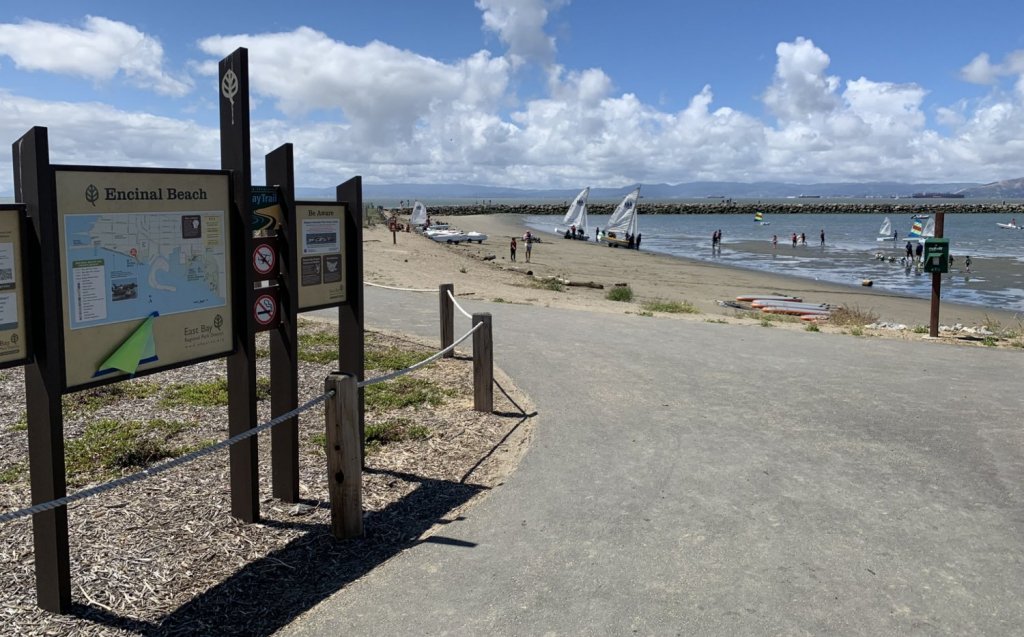
Today, the restored marsh and adjacent bayfront trail are open to the public, offering opportunities to experience restored habitat and learn more through interpretive features. This project demonstrates how ecological restoration and public access can be successfully integrated to benefit both wildlife and the community.
Read more in our field notes article about this important restoration and public access project.
Experts
Justin Semion, PWS
Technical Services Director
Ashley Zavagno, CERP, CSE
Restoration Ecology Director
Jason Yakich
Wildlife Biologist
Marisa Ishimatsu
Compliance Monitoring Team Leader
Peter Kobylarz
GIS Team Leader
Project Specifics
Markets
Project Partners
Status
Detailed Services
See how we’re making a positive lasting impression.