


Our Projects
Napa Sanitation District Trunk Sewer Rehabilitation and Habitat Enhancement
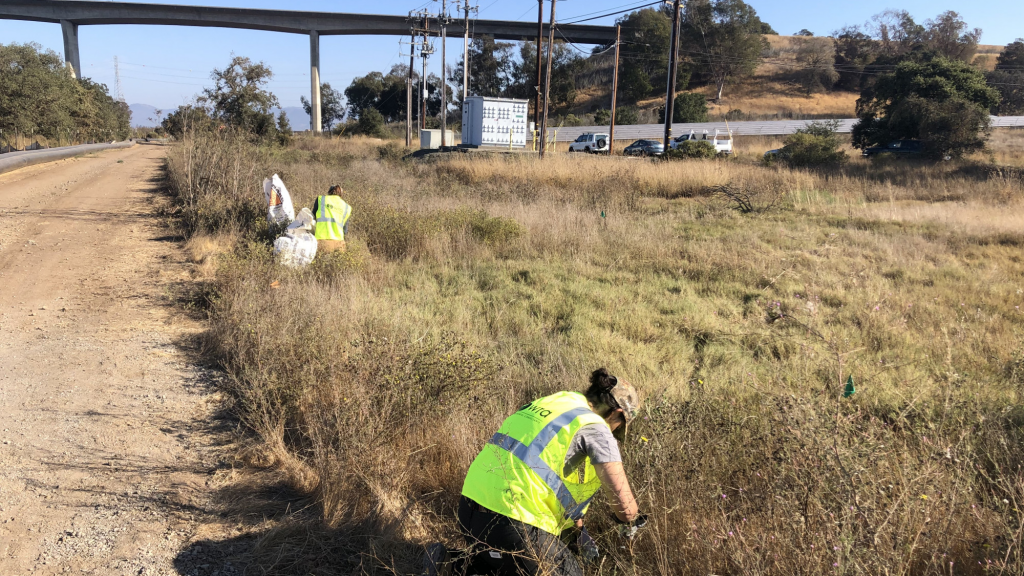
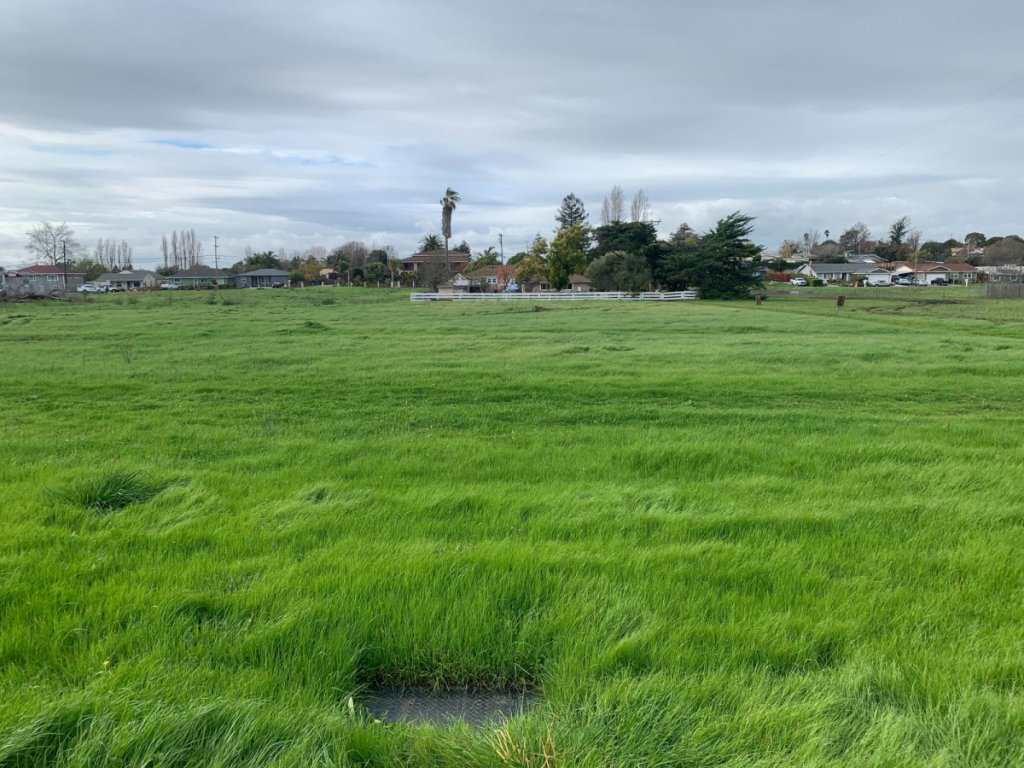
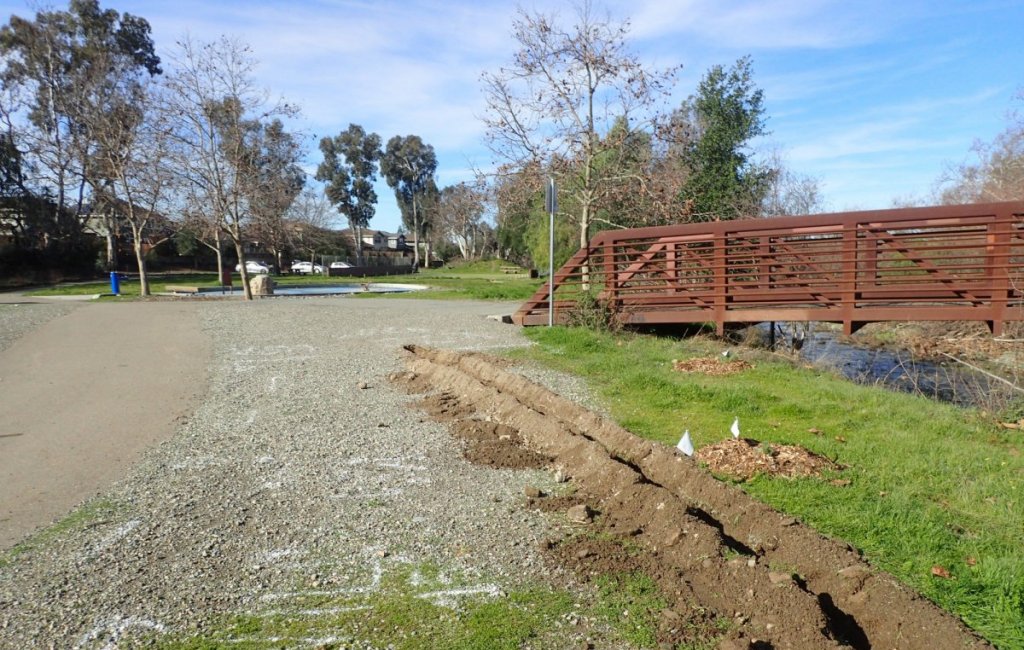
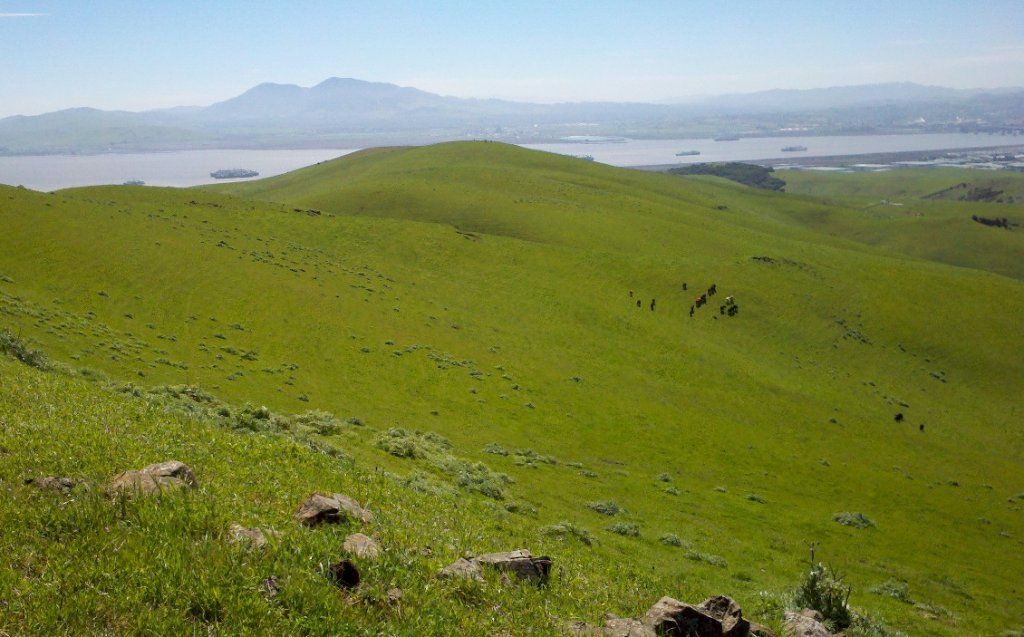
WRA supported Napa Sanitation’s engineering consultant by providing the biological studies and permitting support needed to rehabilitate nearly 7,000 feet of sewer pipeline, just south of Napa. The team assessed the full project area for potential impacts to sensitive habitats and special-status species, ensuring compliance with the California Environmental Quality Act (CEQA).
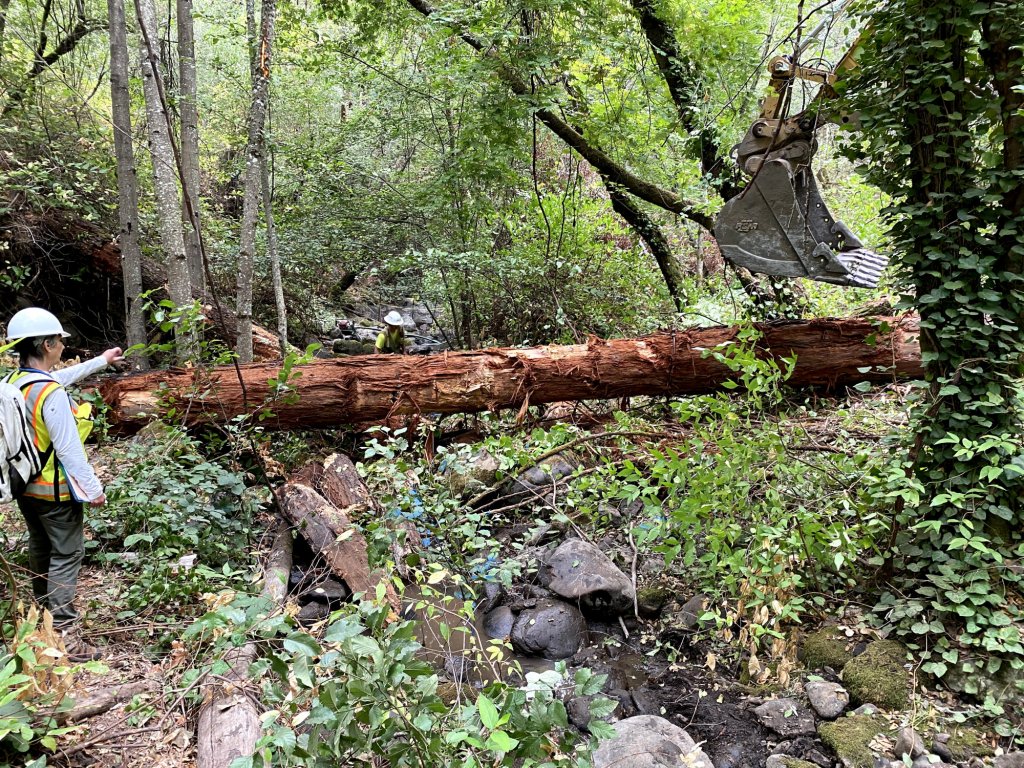
Because of the project’s proximity to federally protected habitats, WRA coordinated directly with the U.S. Fish and Wildlife Service to secure a Biological Opinion. WRA worked closely with the project team to minimize disturbance, ultimately avoiding nearly all sensitive areas and limiting impacts to only temporary disturbances. WRA also oversaw the contractor that performed the invasive species removal, and partnered with a local native plant nursery to collect seeds on-site and propagate 1,700 native plants for revegetation. Native species collected include: saltgrass (Distichlis spicata), gum plant (Grindelia stricta v. stricta), arrowgrass (Triglochin maritima), Jaumea (Jaumea carnosa), and multiple Juncus species.
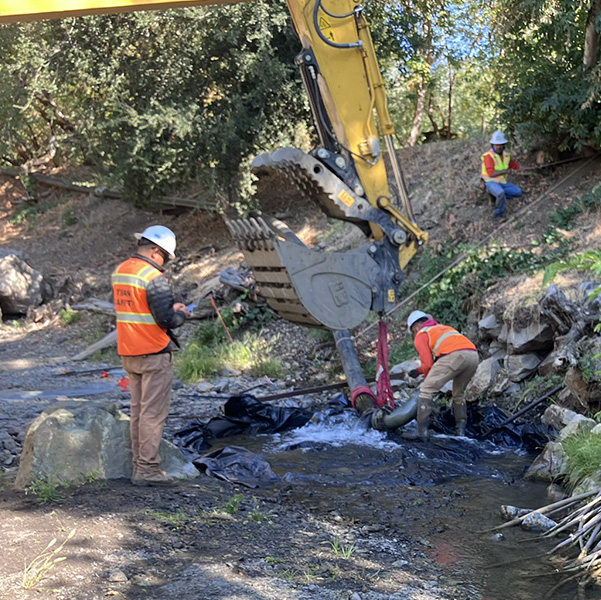
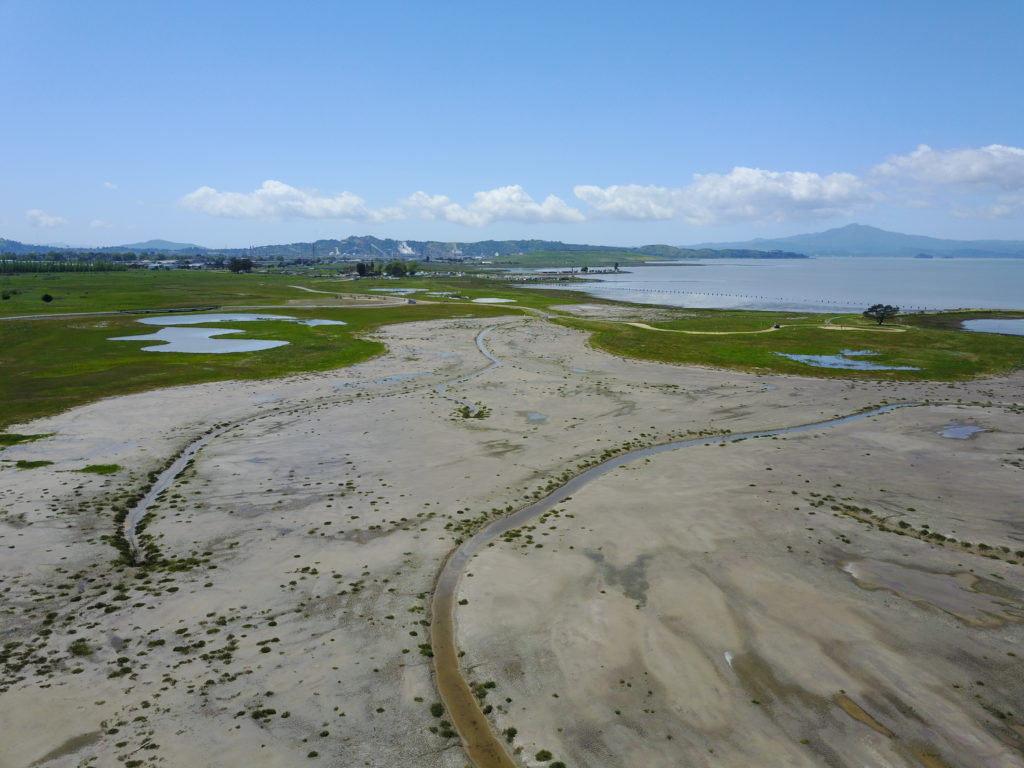
During construction, WRA provided comprehensive biological services, including preconstruction surveys and on-site monitoring to protect sensitive species and habitats. Additionally, Napa Sanitation is enhancing wetland habitats on its property as part of this effort. These wetlands support federally listed species such as the endangered salt marsh harvest mouse and California Ridgway’s rail. WRA will continue to oversee required monitoring and reporting to ensure the long-term success of these enhancements.
Experts
Matt Richmond
Principal Ecologist
Brian Freiermuth
Senior Biologist
Rhiannon Korhummel
Plant Biologist

Neal Jander
GIS Analyst
Project Specifics
Project Partners
Status
Detailed Services
Biological assessment
Rare plant survey
Habitat Mitigation and Monitoring Plan development and implementation
Protocol-level surveys for special-status wildlife species
See how we’re making a positive lasting impression.